AI-powered learning
Save this course
Pragmatic Unit Testing in Java 8 with JUnit
Explore writing unit tests for Java applications using JUnit, delve into JUnit organization, assertions, quality practices, design relevance, refactoring, and using mock objects for dependencies.
4.7
102 Lessons
13h
Join 3.1 million developers at
Join 3.1 million developers at
LEARNING OBJECTIVES
- Learn how to effectively test Java applications using JUnit
- Get to know the core quality principles of unit testing
- Master writing cleaner and refactored JUnit tests
Learning Roadmap
1.
Before We Begin
Before We Begin
Get familiar with pragmatic unit testing principles, JUnit practices, and their benefits.
2.
JUnit Test Foundations
JUnit Test Foundations
Get started with foundational JUnit concepts, writing unit tests, and maintaining test clarity.
3.
Digging Deeper into JUnit Assertions
Digging Deeper into JUnit Assertions
9 Lessons
9 Lessons
Break apart critical JUnit assertions, styles, decorators, floating-point comparisons, and exception handling techniques.
4.
Organizing Your Tests
Organizing Your Tests
8 Lessons
8 Lessons
Break down complex ideas for organizing and optimizing unit tests in JUnit.
5.
Mastering Manic Mnemonics!
Mastering Manic Mnemonics!
7 Lessons
7 Lessons
Deepen your knowledge of the FIRST principles to enhance unit test effectiveness and reliability.
6.
What to Test: The Right-BICEP
What to Test: The Right-BICEP
8 Lessons
8 Lessons
Investigate the Right-BICEP technique for structured unit testing, focusing on correctness, boundaries, inverses, cross-checks, errors, and performance.
7.
Boundary Conditions: The CORRECT Way
Boundary Conditions: The CORRECT Way
8 Lessons
8 Lessons
Piece together the parts of evaluating boundary conditions using the CORRECT acronym for thorough testing.
8.
The Bigger Design Picture
The Bigger Design Picture
5 Lessons
5 Lessons
Try out refactoring techniques to optimize code clarity and maintainability using JUnit tests.
9.
Bigger Design Issues
Bigger Design Issues
6 Lessons
6 Lessons
Get started with applying SOLID principles, command-query separation, and optimizing test maintenance for better design.
10.
Using Mock Objects
Using Mock Objects
7 Lessons
7 Lessons
Break apart the use of mock objects to streamline and improve unit testing.
11.
Refactoring Tests
Refactoring Tests
10 Lessons
10 Lessons
Enhance your skills in refactoring tests to improve readability, maintainability, and effectiveness.
12.
The Bigger Unit-Testing Picture
The Bigger Unit-Testing Picture
10 Lessons
10 Lessons
Dig deeper into Test-Driven Development, its cycle, incremental coding, refactoring, and effective test documentation.
13.
Testing Some Tough Stuff
Testing Some Tough Stuff
6 Lessons
6 Lessons
Tackle testing challenges in multithreaded code, application logic extraction, database testing, and mocking controllers.
14.
Testing on a Project
Testing on a Project
4 Lessons
4 Lessons
Piece together the parts of unit testing, team standards, CI, and code coverage.
16.
Appendix - Setting up JUnit
Appendix - Setting up JUnit
2 Lessons
2 Lessons
Unpack the core of setting up JUnit in IntelliJ IDEA and NetBeans.
Certificate of Completion
Showcase your accomplishment by sharing your certificate of completion.
Complete more lessons to unlock your certificate
Developed by MAANG Engineers
ABOUT THIS COURSE
In this course, you will learn how to write a unit test for Java applications using JUnit. You'll start by covering unit-testing foundations, which provide you with a starter set of information about writing basic tests in JUnit. You’ll learn about JUnit organization and assertions, and you’ll pick up a few core quality practices for unit testing such as the Right BICEP and the CORRECT way.
Towards the end, the bigger design picture focuses on the relevance of design to unit testing and vice versa. You’ll refactor your tests, and you’ll learn how to use mock objects to deal with trouble-some dependencies.
ABOUT THE AUTHOR
The Pragmatic Programmers
We create timely, practical books and learning resources on classic and cutting-edge topics to help you practice your craft and accelerate your career.
Trusted by 3.1 million developers working at companies
A
Anthony Walker
@_webarchitect_
E
Evan Dunbar
ML Engineer
S
Software Developer
Carlos Matias La Borde
S
Souvik Kundu
Front-end Developer
V
Vinay Krishnaiah
Software Developer
Built for 10x Developers
No Passive Learning
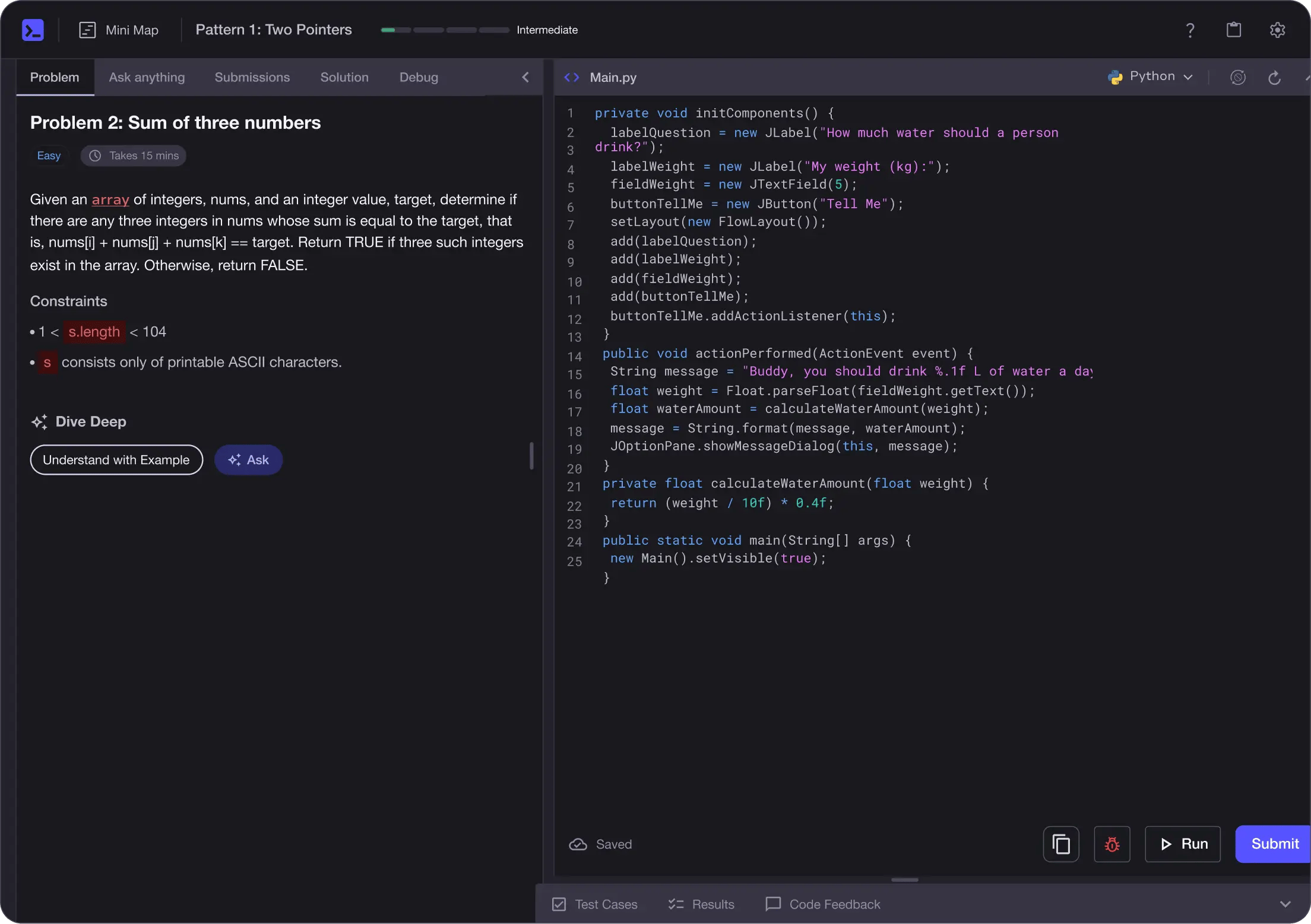
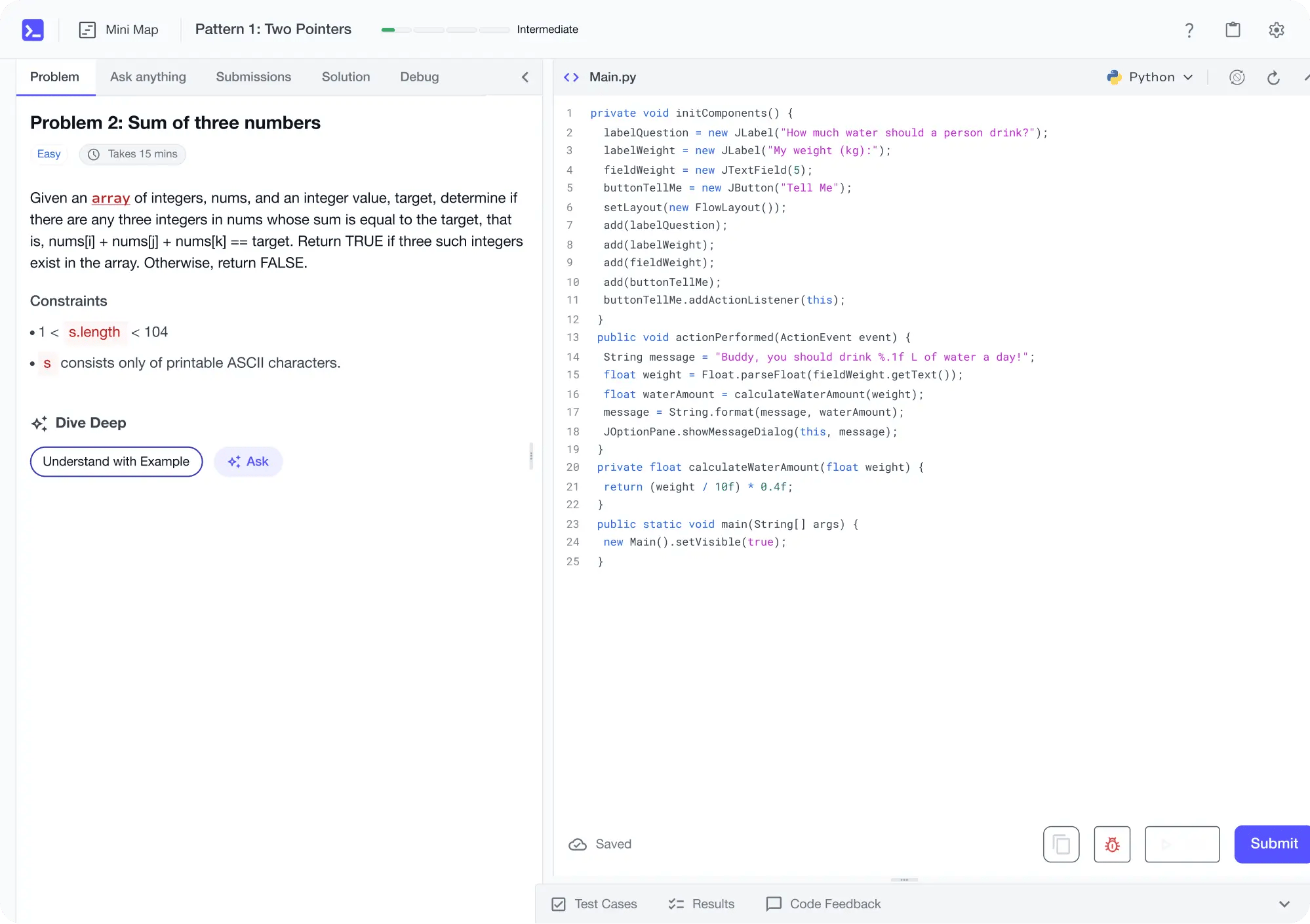
Learn by building with project-based lessons and in-browser code editor
Personalized Roadmaps
The platform adapts to your strengths & skills gaps as you go


Future-proof Your Career
Get hands-on with in-demand skills
AI Code Mentor
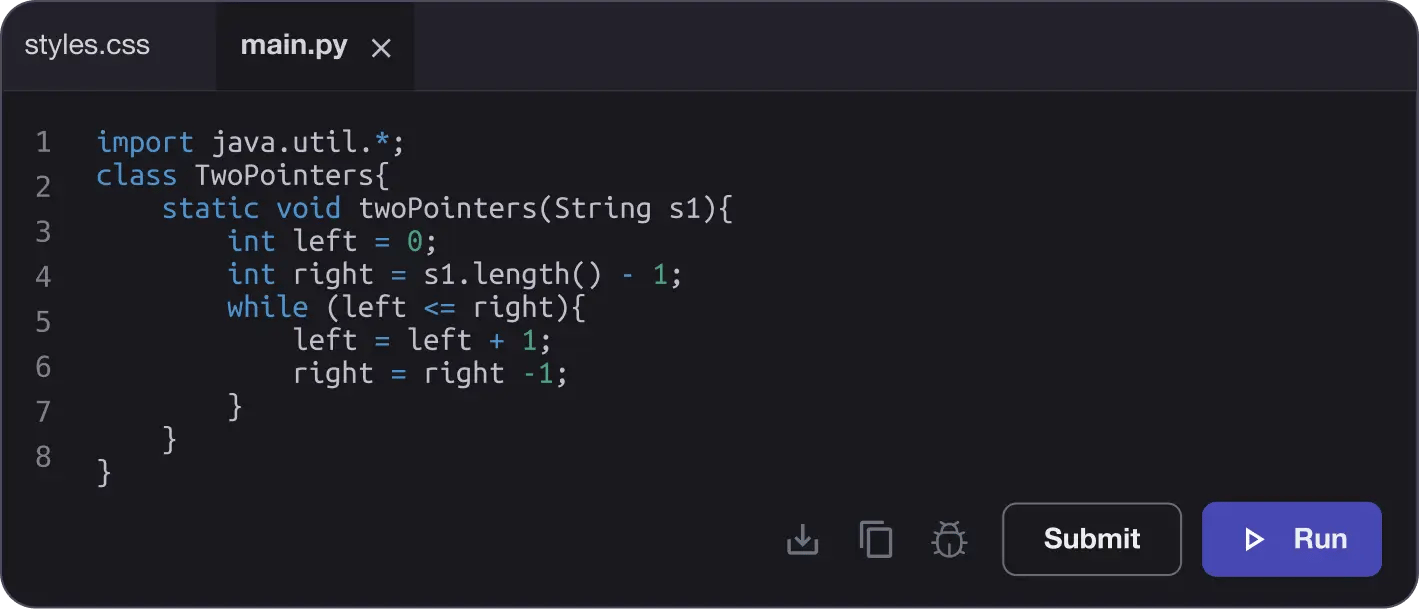
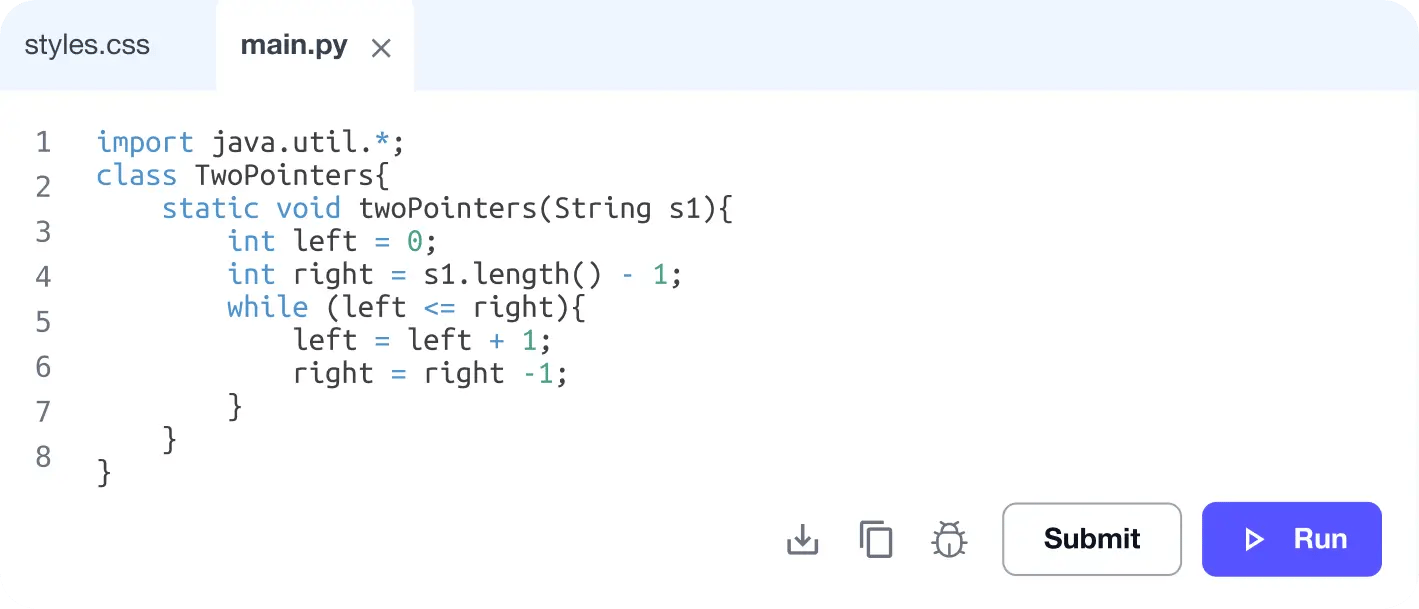
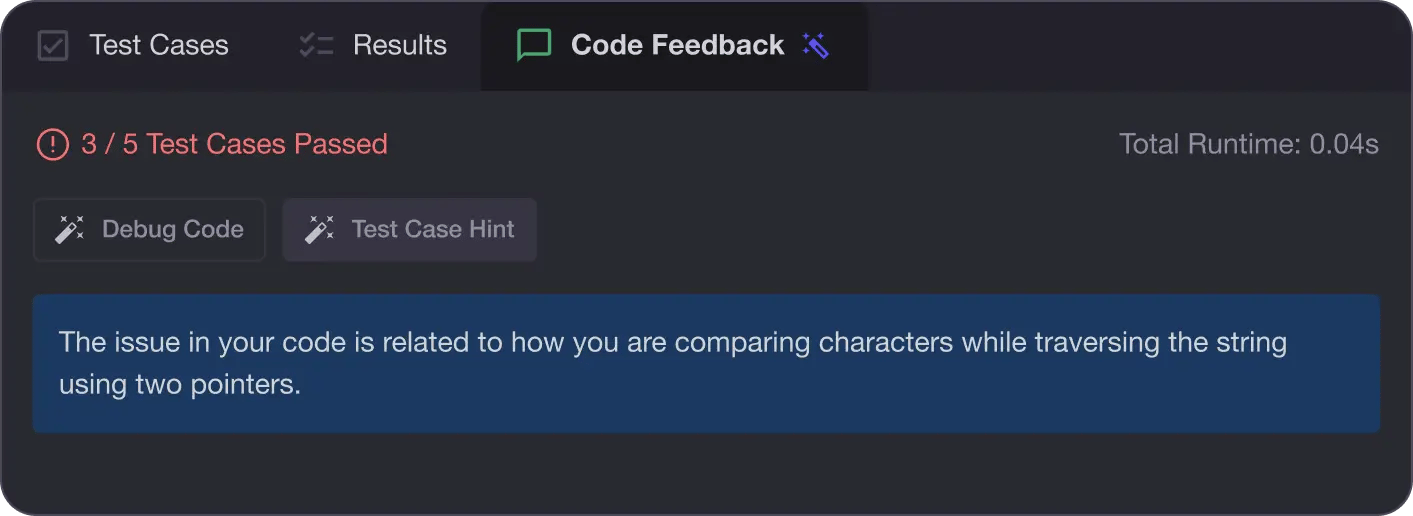
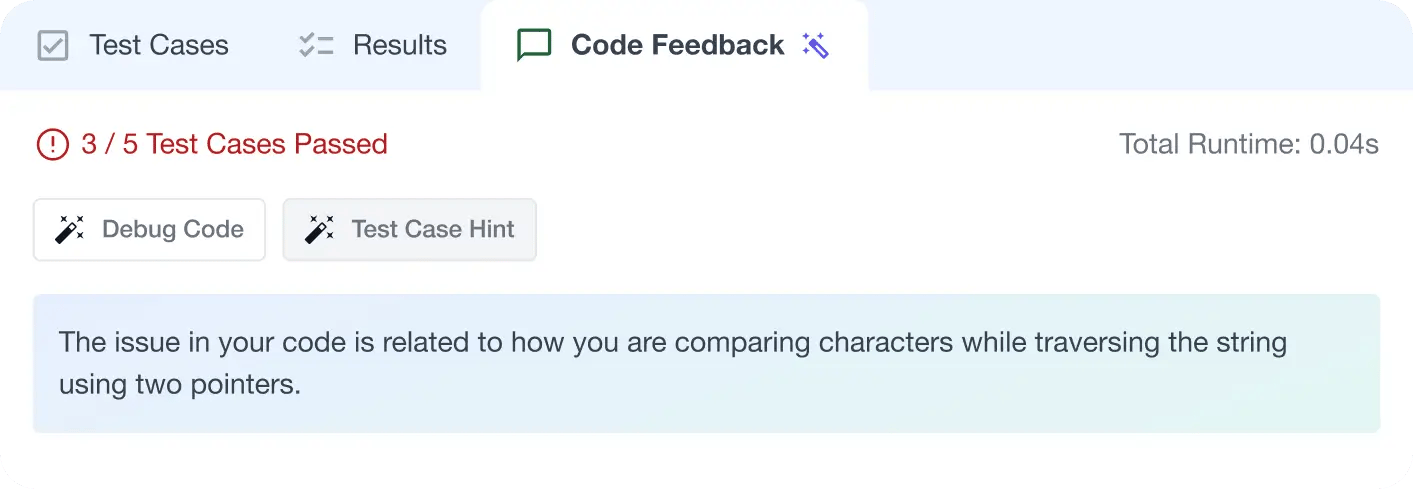
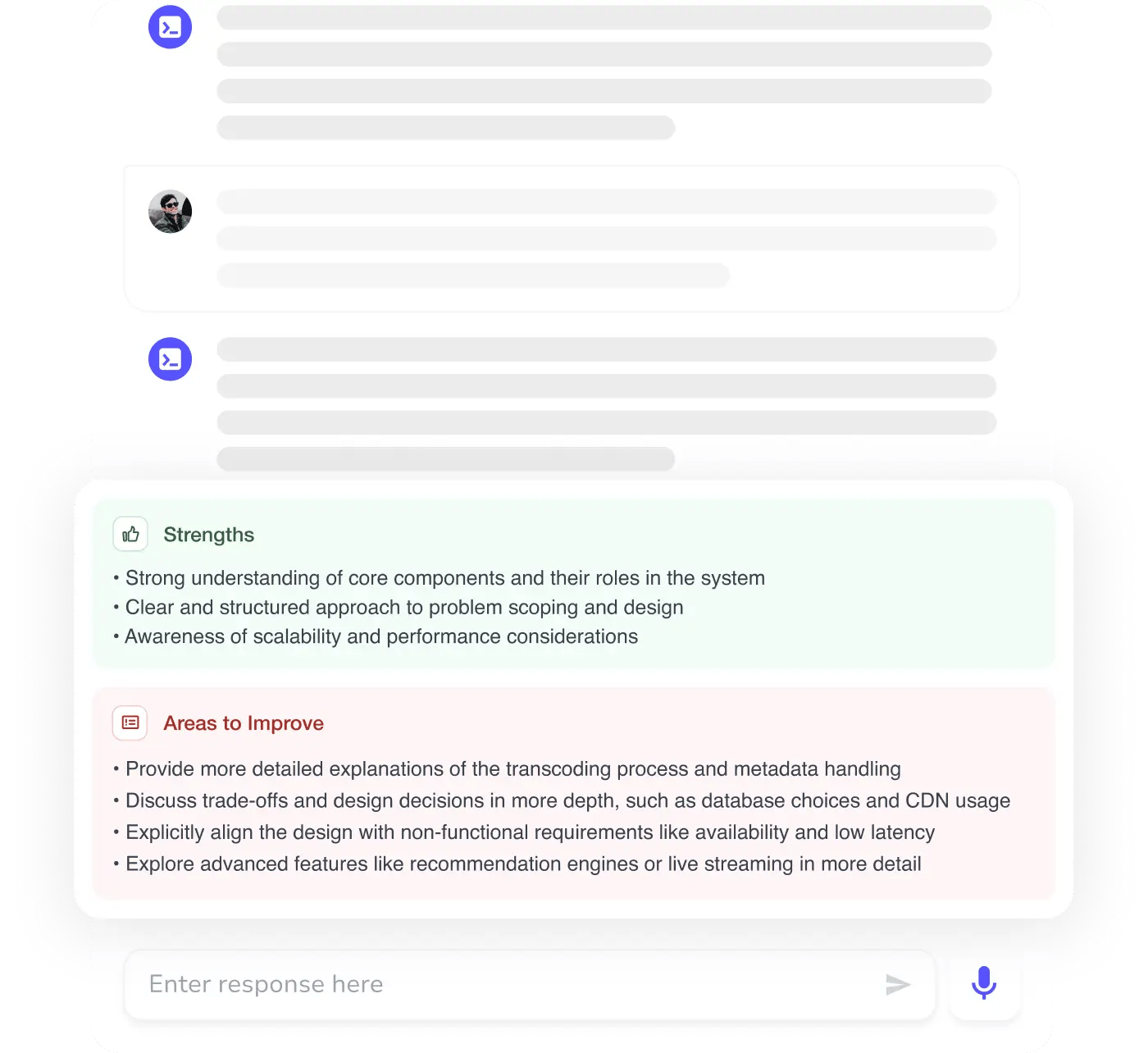
Write better code with AI feedback, smart debugging, and "Ask AI"
MAANG+ Interview Prep
AI Mock Interviews simulate every technical loop at top companies

Free Resources