HomeCoursesRust Programming Language
AI-powered learning
Save

Rust Programming Language

This course provides the best approach to learn Rust, starting from the basics and advancing to complex topics. It is an introduction to Rust for beginners aspiring to become skilled Rust developers.

4.7
95 Lessons
9h
Updated 1 week ago
Join 2.9 million developers at
LEARNING OBJECTIVES
  • A strong foundation in Rust programming concepts and techniques
  • Proficiency in Rust through hands-on coding, starting from basic programs and advancing to more complex structures
  • Problem-solving skills and an understanding of key features like data types, operators, vectors, and functions in Rust
  • Practical experience with advanced topics such as lifetime and memory management
  • Confidence as a Rust developer by tackling real-world coding challenges
  • A comprehensive introduction to Rust for beginners, preparing you for a career in systems programming

Learning Roadmap

95 Lessons42 Quizzes1 Assessment17 Challenges

1.

Introduction to Rust

Introduction to Rust

This chapter is an introduction to Rust, a powerful language known for safety and performance. Discover why Rust is gaining popularity among developers.

2.

Rust Programs

Rust Programs

This chapter covers the basics of Rust syntax, how to write effective Rust comments, and ways to utilize the Rust print command to output information.

3.

Rust Variables

Rust Variables

4 Lessons

4 Lessons

This chapter covers Rust variables, the differences between local and global variables, and how to effectively use them in your Rust programming projects.

4.

Rust Data Types

Rust Data Types

11 Lessons

11 Lessons

This chapter covers Rust arrays, tuples, strings, characters, and boolean types, and their uses in Rust programming.

5.

Rust Operators

Rust Operators

11 Lessons

11 Lessons

This chapter covers Rust operators, including arithmetic, logical, comparison, bitwise, assignment, and compound operators in Rust programming.

6.

Rust if and if let Expressions

Rust if and if let Expressions

9 Lessons

9 Lessons

This chapter covers Rust expressions such as if expressions, if let expressions, and match expressions to control flow and handle values effectively.

7.

Rust Loops

Rust Loops

13 Lessons

13 Lessons

This chapter covers Rust loops, including for loops, while loops, and nested loops, along with the break statement to control iteration in Rust programming.

8.

Rust Functions

Rust Functions

14 Lessons

14 Lessons

This chapter covers Rust functions, including how to use pass by value and pass by reference to manage data efficiently in your Rust programming projects.

9.

Rust Strings

Rust Strings

8 Lessons

8 Lessons

This chapter covers Rust strings and how to effectively use slicing to manipulate and access parts of strings in your Rust programs.

10.

Rust Vectors

Rust Vectors

6 Lessons

6 Lessons

This chapter covers Rust vectors and how to utilize slicing to access and manipulate elements efficiently in your Rust programs.

11.

Rust Structs

Rust Structs

7 Lessons

7 Lessons

This chapter covers Rust structs, including tuple structs and static methods, to effectively organize and manage data in your Rust programming projects.

12.

Conclusion

Conclusion

2 Lessons

2 Lessons

This chapter concludes the course on Rust and emphasizes career opportunities in Rust programming and encourages learner engagement for future growth.
Certificate of Completion
Showcase your accomplishment by sharing your certificate of completion.
Author NameRust Programming Language
Developed by MAANG Engineers
Every Educative lesson is designed by a team of ex-MAANG software engineers and PhD computer science educators, and developed in consultation with developers and data scientists working at Meta, Google, and more. Our mission is to get you hands-on with the necessary skills to stay ahead in a constantly changing industry. No video, no fluff. Just interactive, project-based learning with personalized feedback that adapts to your goals and experience.
ABOUT THIS COURSE
The word is out: developers love Rust. It's rapidly becoming a top choice for systems and embedded programmers, and the demand for Rust developers is rising. Known for its performance, reliability, and productivity—especially compared to C++—Rust is a powerful language to master. If you're a systems developer, it's a fantastic next step. In this course, you'll learn Rust by actively engaging in coding. You’ll start with a simple "Hello world" program and cover essential concepts like arrays, strings, vectors, enums, structures, traits, generics, functions, and logic. You'll also dive into advanced topics such as lifetime and memory management. By the end of this course, you'll have a solid foundation in Rust programming and be well-prepared to take on more advanced concepts, making it ideal for Rust beginners looking to become proficient Rust developers.

Trusted by 2.9 million developers working at companies

These are high-quality courses. Trust me the price is worth it for the content quality. Educative came at the right time in my career. I'm understanding topics better than with any book or online video tutorial I've done. Truly made for developers. Thanks

A

Anthony Walker

@_webarchitect_

Just finished my first full #ML course: Machine learning for Software Engineers from Educative, Inc. ... Highly recommend!

E

Evan Dunbar

ML Engineer

You guys are the gold standard of crash-courses... Narrow enough that it doesn't need years of study or a full blown book to get the gist, but broad enough that an afternoon of Googling doesn't cut it.

S

Software Developer

Carlos Matias La Borde

I spend my days and nights on Educative. It is indispensable. It is such a unique and reader-friendly site

S

Souvik Kundu

Front-end Developer

Your courses are simply awesome, the depth they go into and the breadth of coverage is so good that I don't have to refer to 10 different websites looking for interview topics and content.

V

Vinay Krishnaiah

Software Developer

Built for 10x Developers

No Passive Learning
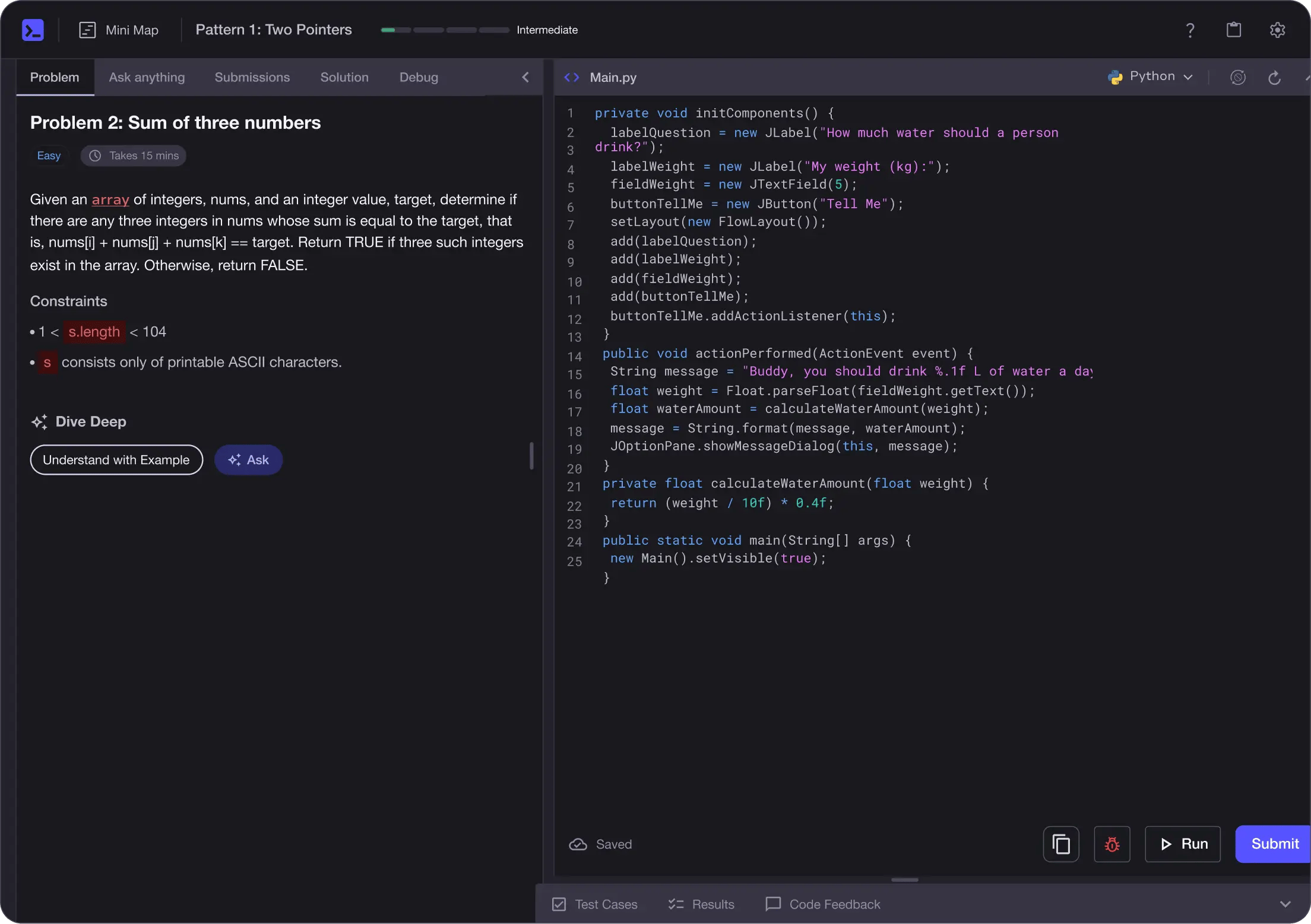
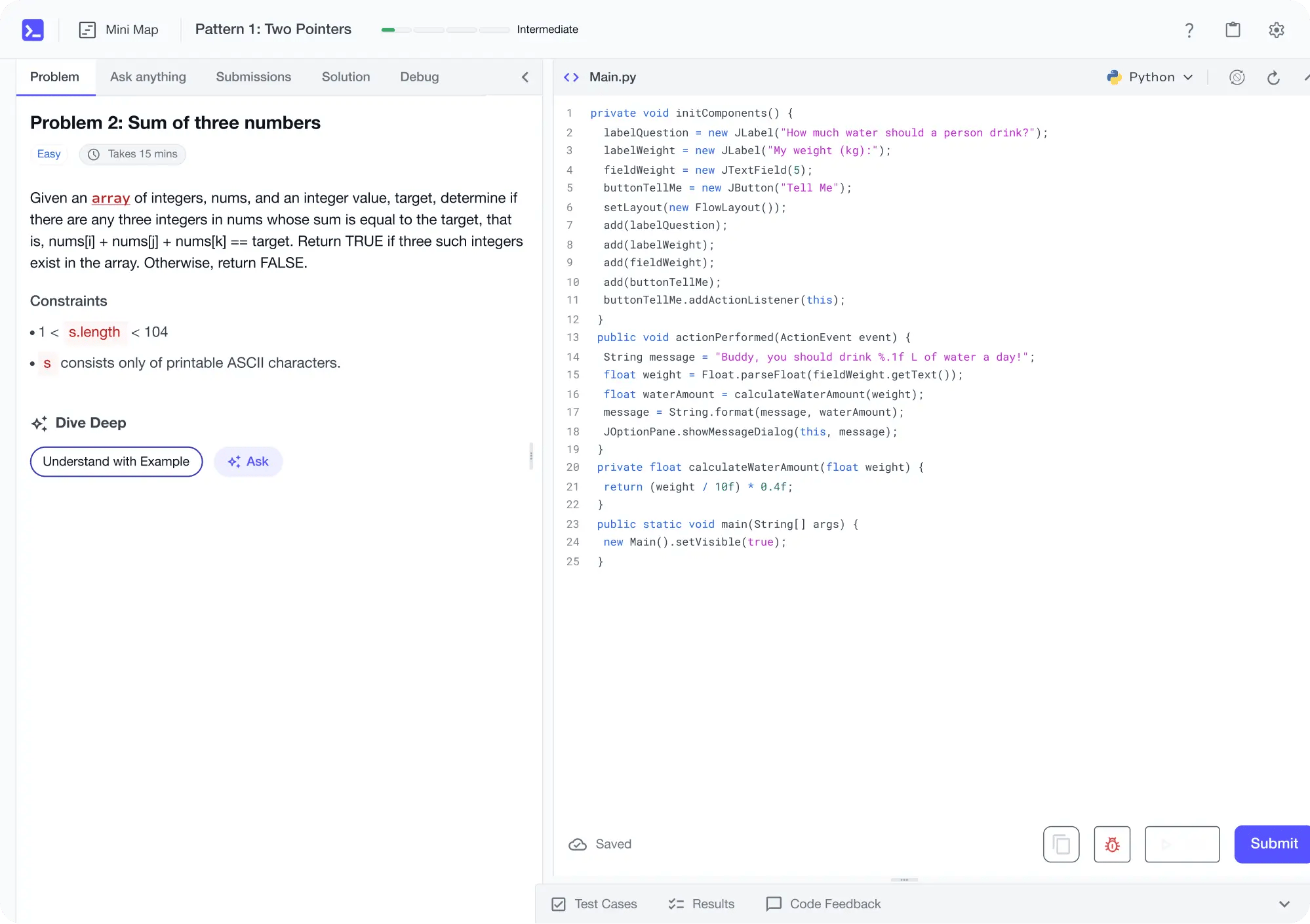
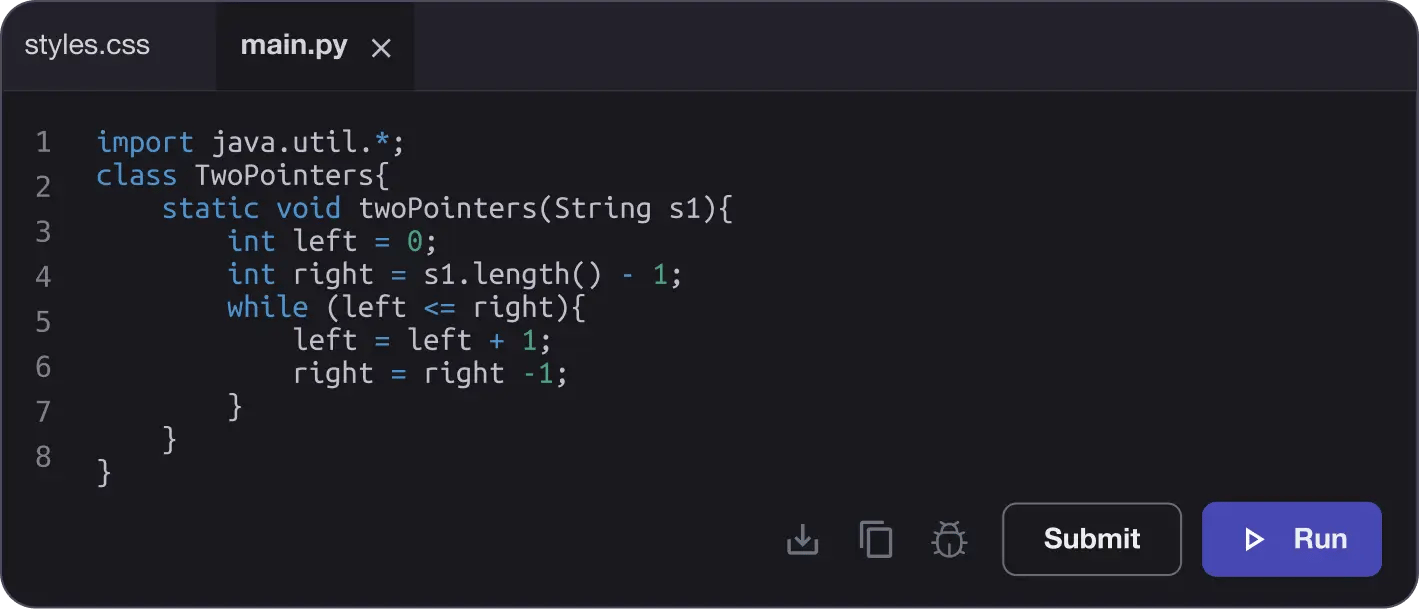
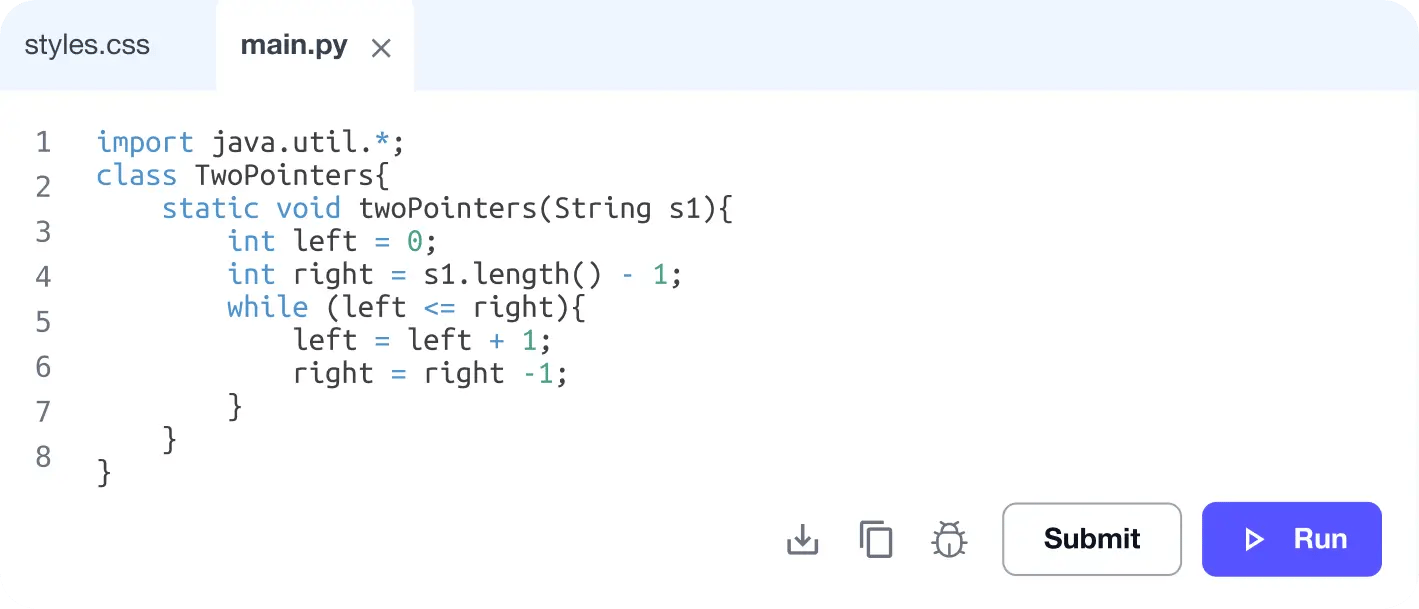
Learn by building with project-based lessons and in-browser code editor
Learn by Doing
Personalized Roadmaps
The platform adapts to your strengths & skills gaps as you go
Learn by Doing
Future-proof Your Career
Get hands-on with in-demand skills
Learn by Doing
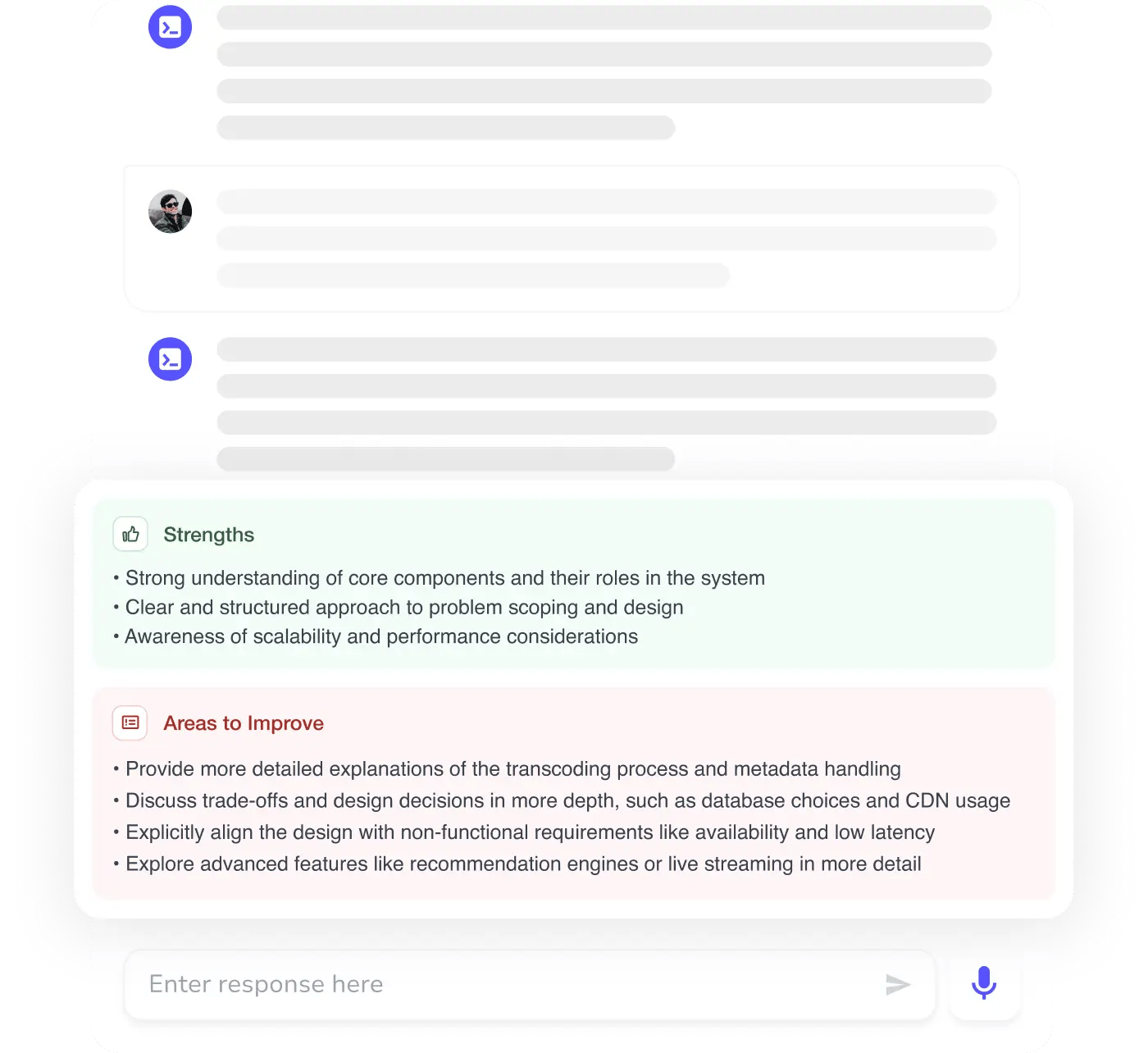
AI Code Mentor
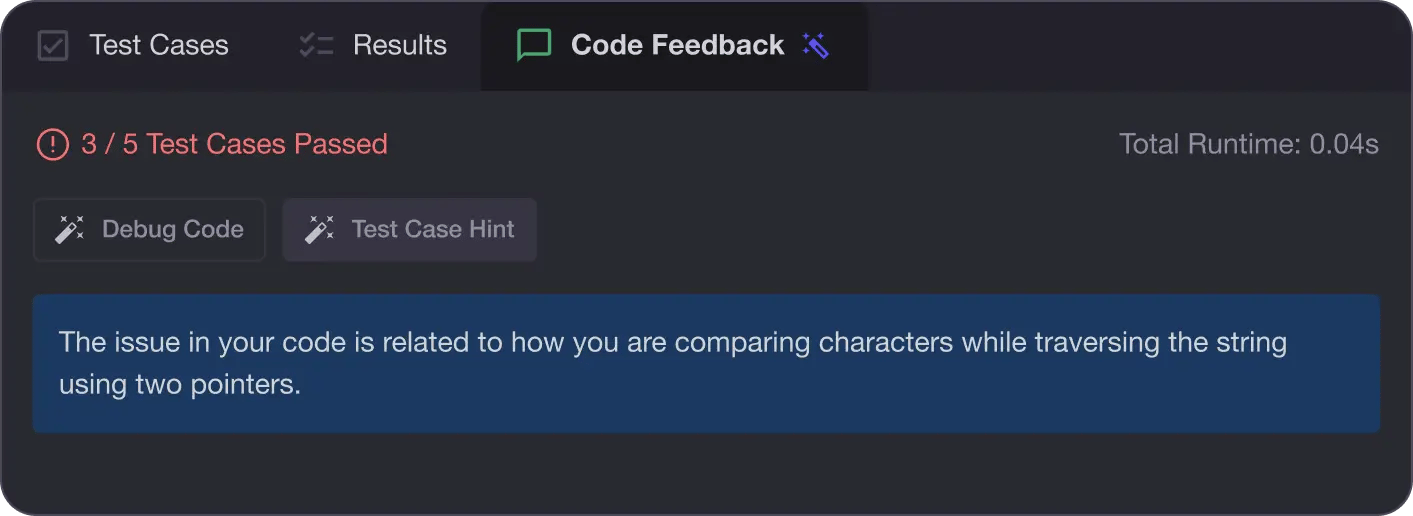
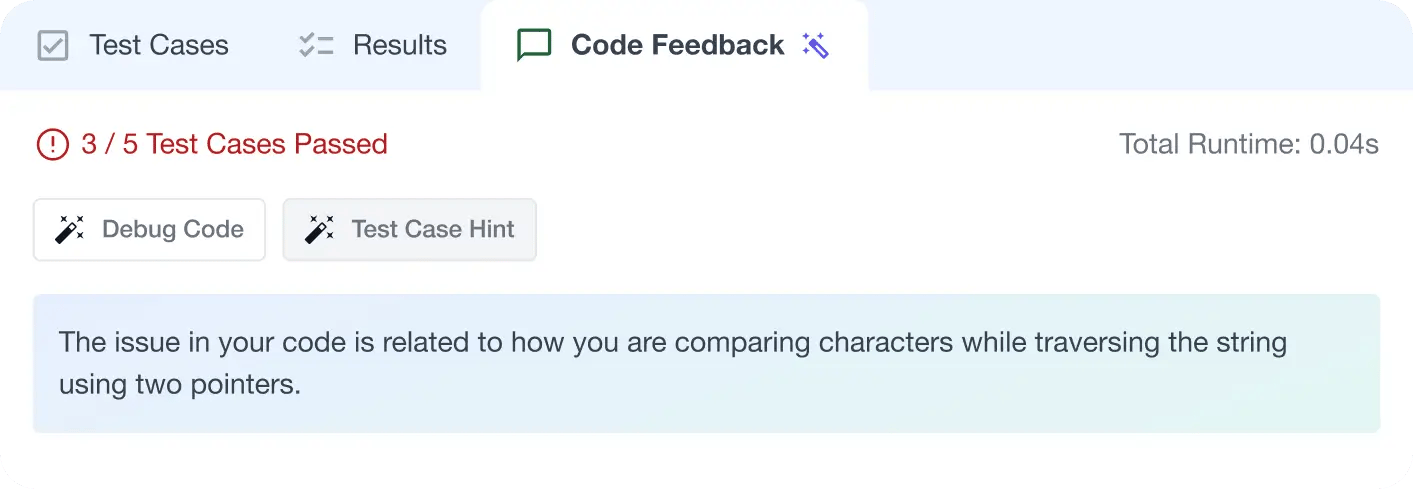
Write better code with AI feedback, smart debugging, and "Ask AI"
Learn by Doing
Learn by Doing
MAANG+ Interview Prep
AI Mock Interviews simulate every technical loop at top companies
Learn by Doing

Free Resources

Frequently Asked Questions

How to learn Rust?

Here are the steps to learn Rust:

  • Install Rust through the official website and set up the environment.
  • Learn the syntax: variables, data types, and control structures.
  • Understand ownership, borrowing, and lifetimes (key Rust concepts).
  • Practice with basic projects and build small Rust applications.
  • Dive into Rust’s memory safety features and concurrency model.
What is Rust programming language?

Rust is a systems programming language focused on speed, memory safety, and concurrency. It is designed to prevent memory leaks and data races while offering performance similar to C and C++.

Is Rust hard to learn?

Rust can be challenging to learn, especially for beginners, due to its unique features like ownership and borrowing. However, with consistent practice and resources, many learners find it manageable over time.

Is Rust basically C++?

Rust and C++ share similarities in performance and low-level memory control, but Rust offers safer memory management through its ownership system, which eliminates many common issues found in C++, like memory leaks and data races.

Is Rust for backend or frontend?

Rust is primarily used for backend development, especially for performance-critical systems. It can also be used for frontend development via WebAssembly (Wasm) but is more commonly employed for server-side applications, networking, and embedded systems.

Is Rust better than Java?

Rust and Java serve different purposes. Rust offers better performance and memory safety for system-level programming, while Java is a high-level language suited for large-scale enterprise applications. Rust might be preferred for performance and safety, but Java is still widely used for web development and enterprise software.