HomeCoursesAlgorithms for Coding Interviews in Python
AI-powered learning
Save

Algorithms for Coding Interviews in Python

Your ultimate guide to algorithms for coding interviews. Master several must-know algorithms, and test your skills with real-world problems from top companies.

4.7
132 Lessons
15h
Join 2.9 million developers at

Learning Roadmap

132 Lessons17 Quizzes42 Challenges

1.

Introduction

Introduction

2.

Algorithmic Paradigms

Algorithmic Paradigms

3.

Asymptotic Analysis

Asymptotic Analysis

22 Lessons

22 Lessons

4.

Sorting & Searching

Sorting & Searching

24 Lessons

24 Lessons

5.

Graph Algorithms

Graph Algorithms

20 Lessons

20 Lessons

6.

Greedy Algorithms

Greedy Algorithms

12 Lessons

12 Lessons

7.

Dynamic Programming

Dynamic Programming

25 Lessons

25 Lessons

8.

Divide and Conquer

Divide and Conquer

21 Lessons

21 Lessons

9.

Conclusion

Conclusion

2 Lessons

2 Lessons

Certificate of Completion
Showcase your accomplishment by sharing your certificate of completion.
Author NameAlgorithms for Coding Interviewsin Python
Developed by MAANG Engineers
ABOUT THIS COURSE
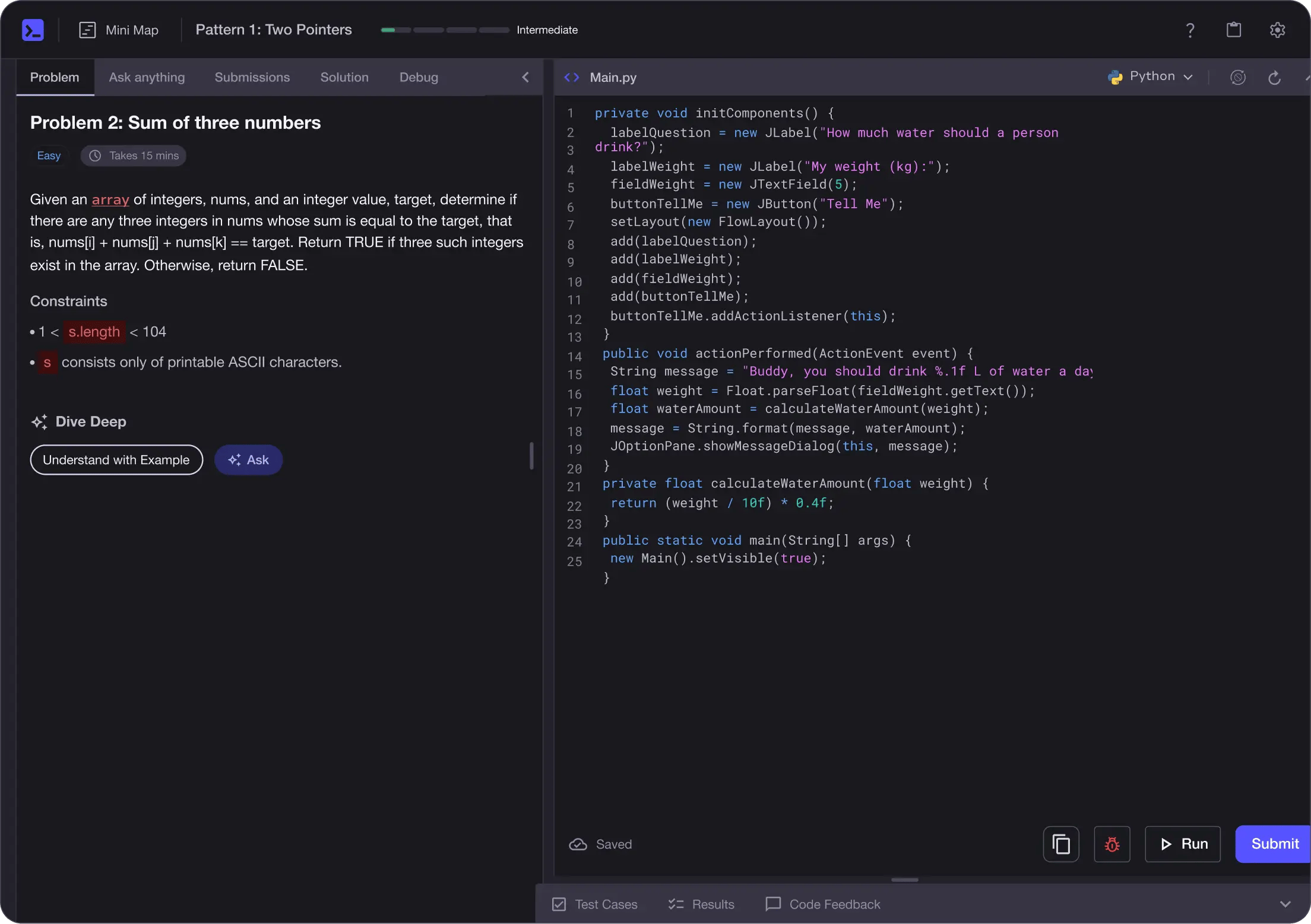
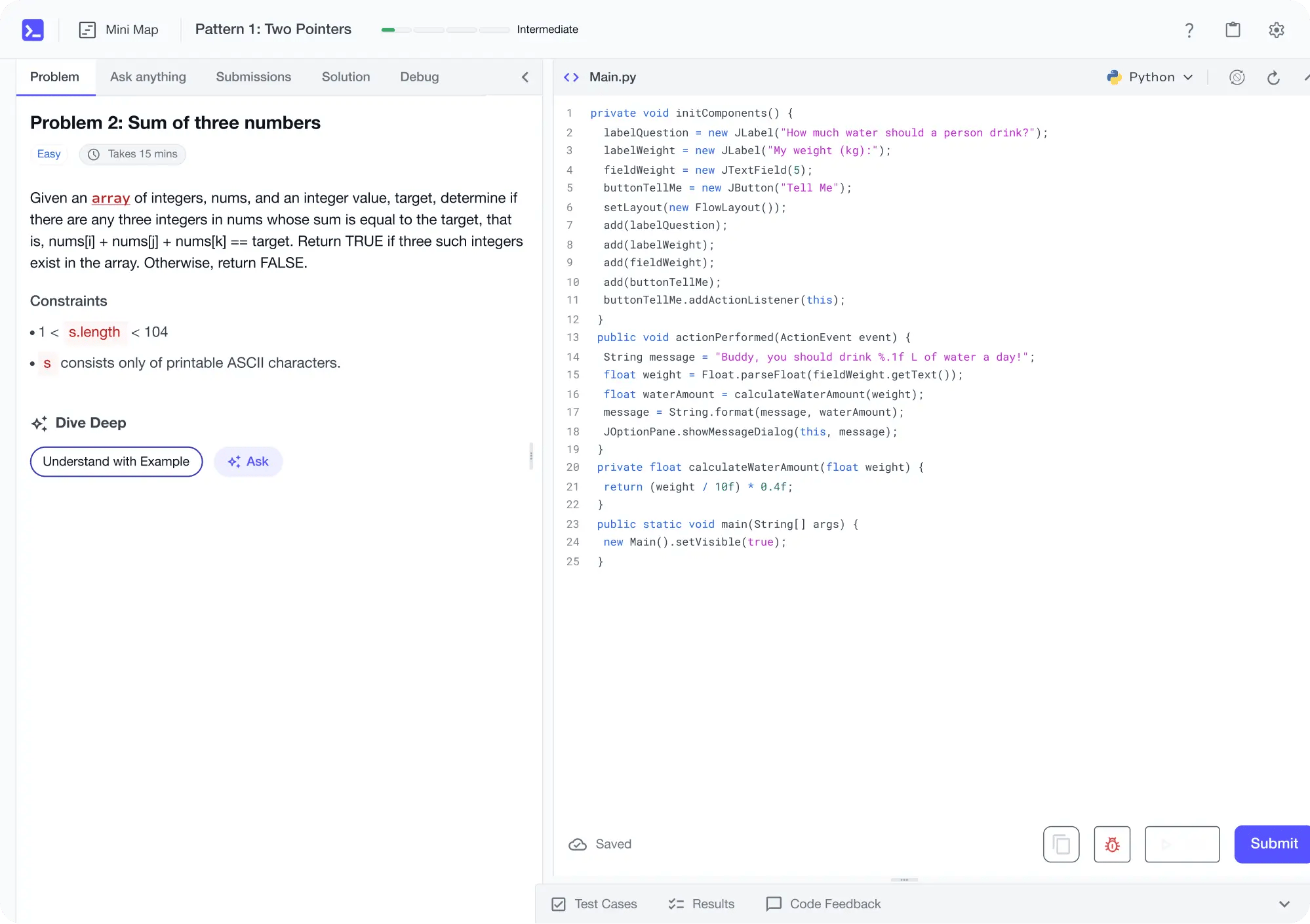
With algorithms being one of the most common themes in coding interviews, having a firm grip on them can be the difference between being hired and not. After completing this comprehensive course, you'll have an in-depth understanding of different algorithm types in Python and be equipped with a simple process for approaching complexity analysis. As you progress, you’ll be exposed to the most important algorithms you'll likely encounter in an interview. You'll work your way through over 50 interactive coding challenges and review detailed solutions for each problem. You’ll walk away with the ability to build-up to the optimal solution for addressing those tough coding interview questions head-on.
ABOUT THE AUTHOR

Coderust

Coderust helps software developers like you ace your coding interviews. Our interactive interview-prep courses encourage you to get hands-on with the material and practice working through problems.

Learn more about Coderust

Trusted by 2.9 million developers working at companies

These are high-quality courses. Trust me the price is worth it for the content quality. Educative came at the right time in my career. I'm understanding topics better than with any book or online video tutorial I've done. Truly made for developers. Thanks

A

Anthony Walker

@_webarchitect_

Just finished my first full #ML course: Machine learning for Software Engineers from Educative, Inc. ... Highly recommend!

E

Evan Dunbar

ML Engineer

You guys are the gold standard of crash-courses... Narrow enough that it doesn't need years of study or a full blown book to get the gist, but broad enough that an afternoon of Googling doesn't cut it.

S

Software Developer

Carlos Matias La Borde

I spend my days and nights on Educative. It is indispensable. It is such a unique and reader-friendly site

S

Souvik Kundu

Front-end Developer

Your courses are simply awesome, the depth they go into and the breadth of coverage is so good that I don't have to refer to 10 different websites looking for interview topics and content.

V

Vinay Krishnaiah

Software Developer

Built for 10x Developers

No Passive Learning
Learn by building with project-based lessons and in-browser code editor
Learn by Doing
Personalized Roadmaps
The platform adapts to your strengths & skills gaps as you go
Learn by Doing
Future-proof Your Career
Get hands-on with in-demand skills
Learn by Doing
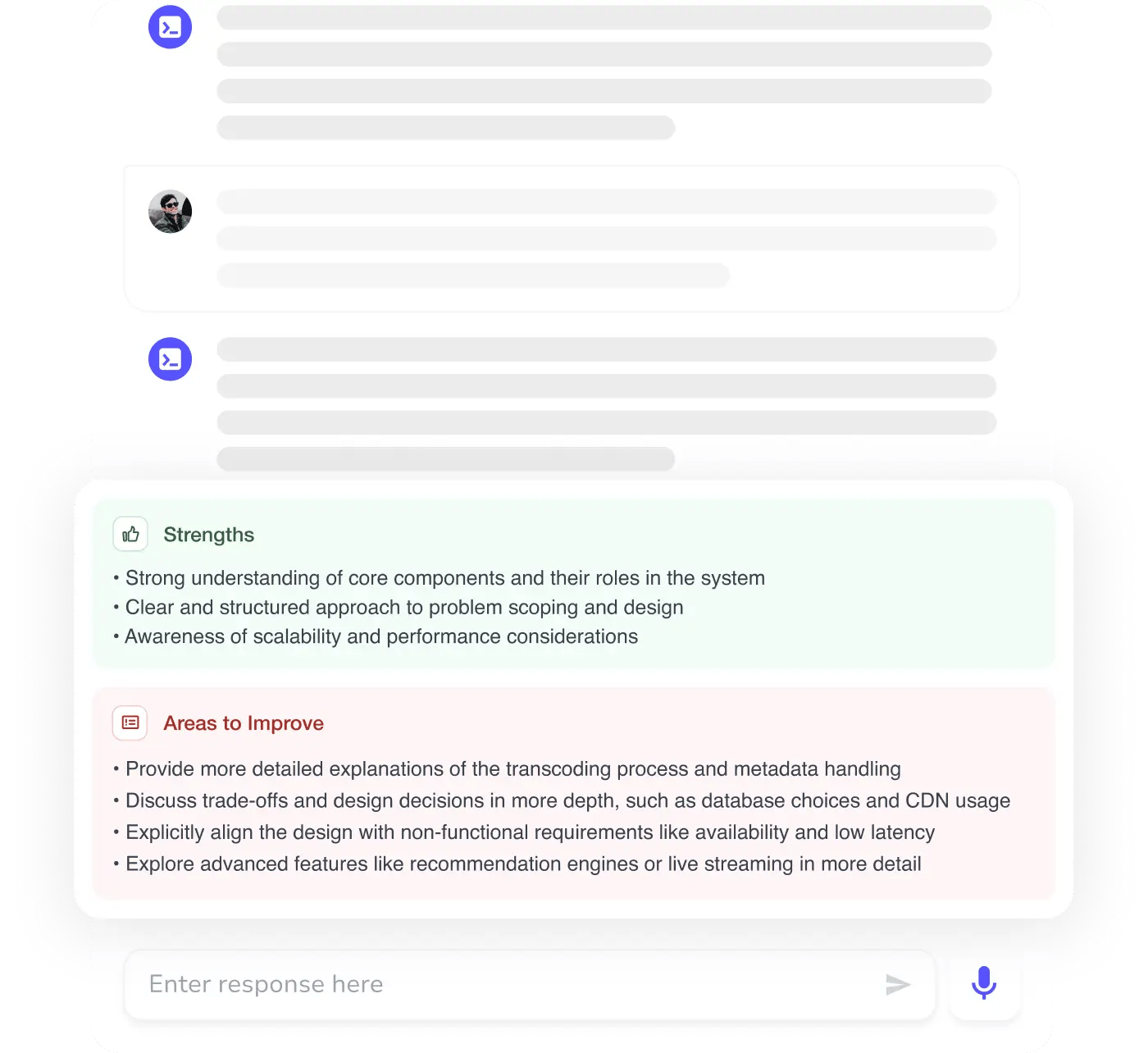
AI Code Mentor
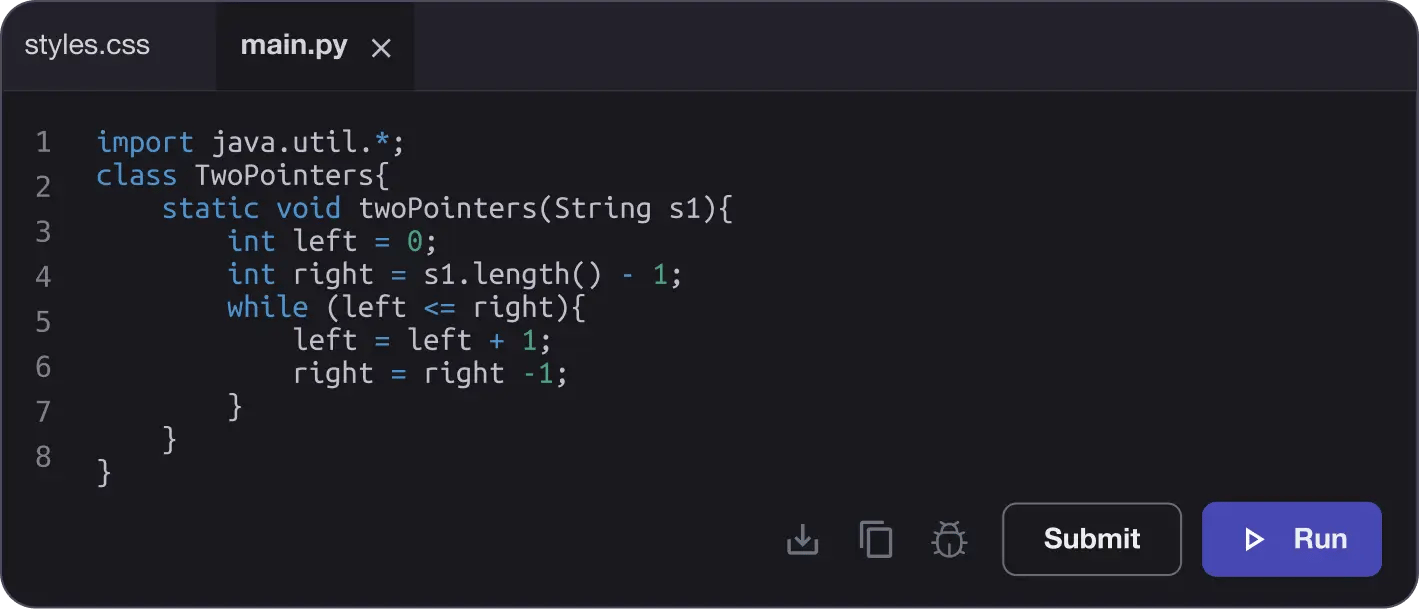
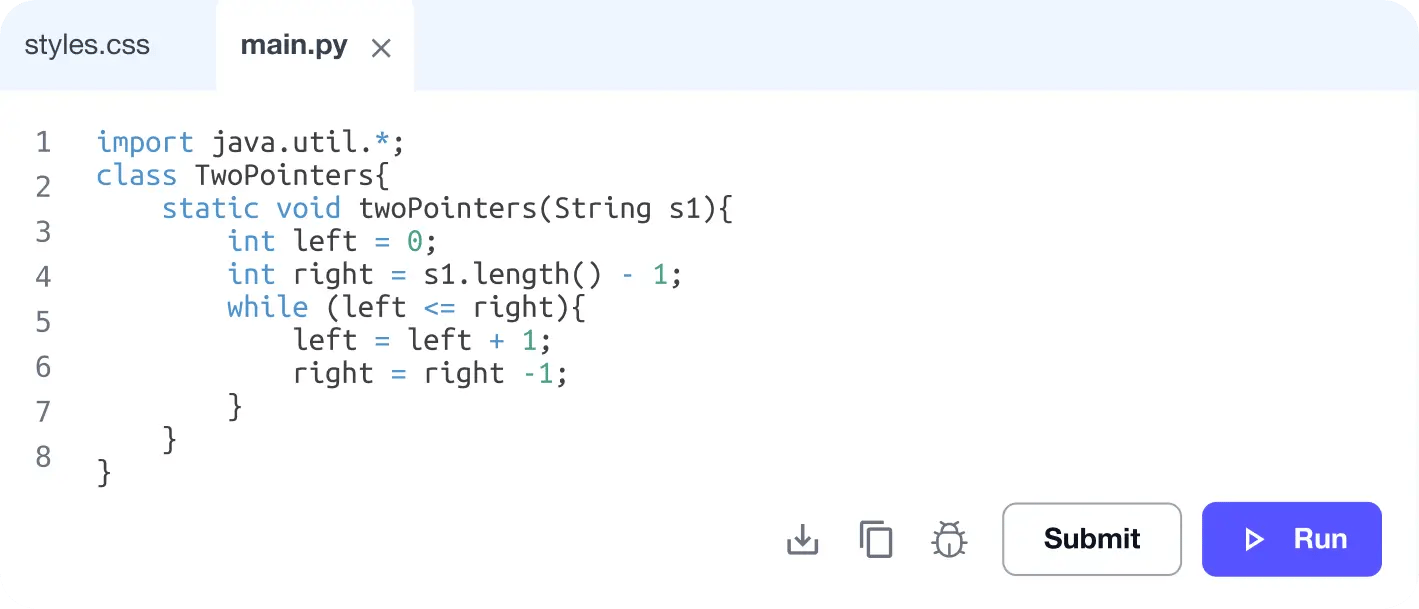
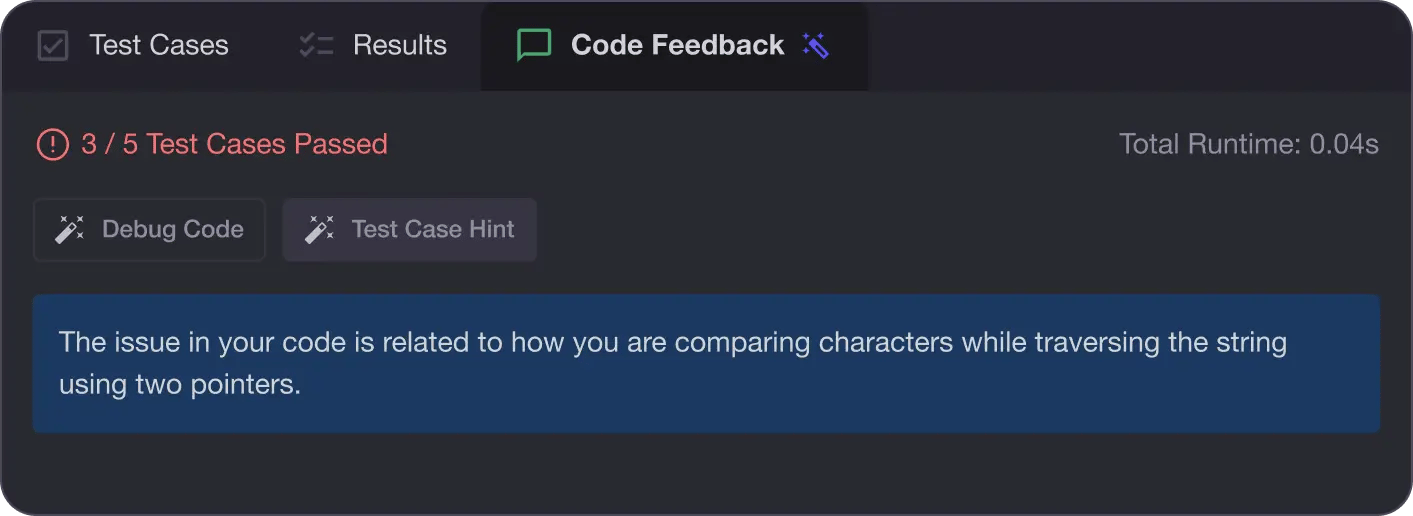
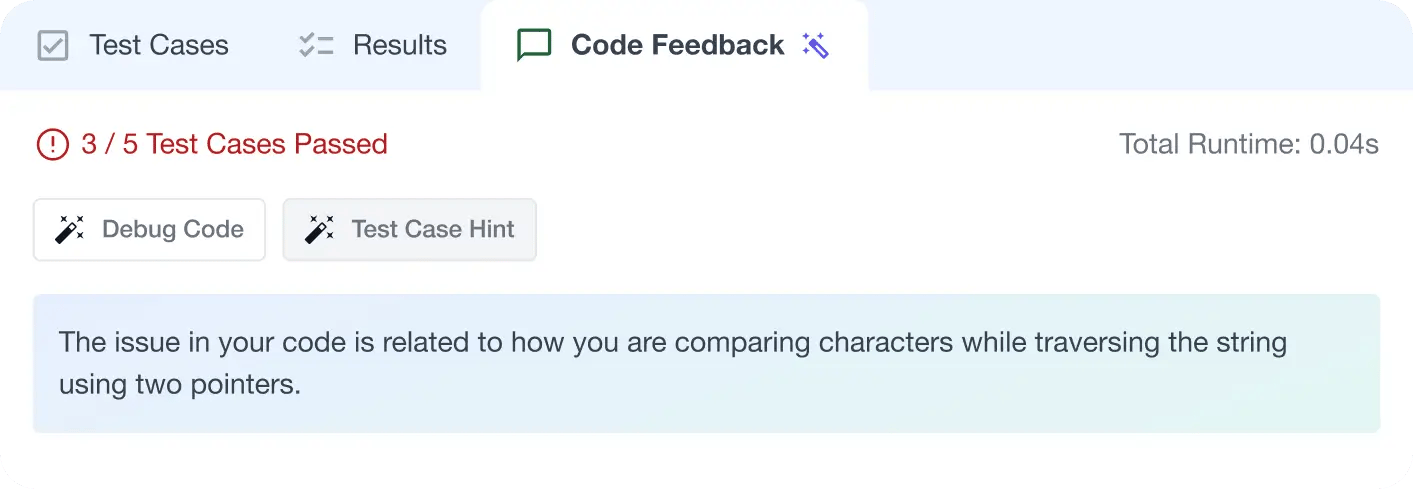
Write better code with AI feedback, smart debugging, and "Ask AI"
Learn by Doing
Learn by Doing
MAANG+ Interview Prep
AI Mock Interviews simulate every technical loop at top companies
Learn by Doing

Free Resources

Frequently Asked Questions

What are the common algorithms for Python?

The five most common algorithms for Python are as follows:

  1. Sorting algorithms
  2. Searching algorithms
  3. Dynamic programming
  4. Greedy algorithms
  5. Recursion algorithms

How do I practice Python coding for an interview?

Beginner or advanced-level developers should take courses to study Python before their coding interview. Some areas to focus on should include algorithms, familiarity with Python’s standard libraries and data structures, and practicing their skills through coding challenges.

How to crack a Python interview

While preparing for your Python interview, you should invest more time learning key areas, such as Python’s key libraries, concepts such as time and space complexity, data structures and algorithms, etc. Take some time to go through Python courses and practice solving coding problems to test your skills regularly so you can track your progress.

Which is better for Python, HackerRank, or LeetCode?

LeetCode offers diverse problems for interview prep, and HackerRank is great for learning Python basics. However, Educative stands out by combining interactive lessons to learn Python deeply and coding challenges to practice, all in one platform, making it the ideal choice for comprehensive interview preparation.

What algorithms should you know for coding interviews?

Essential algorithms for coding interviews include sorting (merge, quick, heap), searching (binary search), graph algorithms (BFS, DFS), dynamic programming (knapsack, longest common subsequence), and data structure-based algorithms (hashing, heaps, and trees).

Which sorting algorithm is the best choice in Python?

Python’s built-in sort() and sorted() use TimSort, a hybrid sorting algorithm combining merge sort and insertion sort. It’s highly efficient for real-world data, making it the best choice for most sorting tasks in Python.

How do I learn algorithms for coding?

Start by studying algorithm basics, solving problems on platforms like Educative, and practicing frequently. Focus on understanding core concepts like recursion, dynamic programming, and divide-and-conquer strategies, and gradually tackle more complex problems.

What algorithm should I learn first?

Start with basic sorting algorithms like bubble, selection, and insertion sort, then move on to more complex algorithms like merge sort, quicksort, and graph traversal algorithms like BFS and DFS.

How can I memorize algorithms easily?

Memorize algorithms by practicing regularly, solving problems multiple times, and understanding the underlying principles. Break down algorithms into smaller steps, visualize their workings, and implement them in different programming languages for better retention.